A Day in the Life of a Geoscientist
Ever wonder, “What does a geoscientist do?” The answer depends on who you ask!
Geoscience is all about the past, present and future of our earth, how it changes and in turn how that impacts us and our environment.
Naturally, that’s a lot of ground to cover and there are so many career paths and opportunities available that no two geoscience careers look the same.
One could be out collecting rock samples from the countryside, another analysing climate data in a research lab or in a boardroom consulting on road conditions for a new motorway.
Choose an option below to jump to a story that interests you or browse through for inspiration.
Teri Hayes:
Environmental Director at AWN Consulting Ltd
-
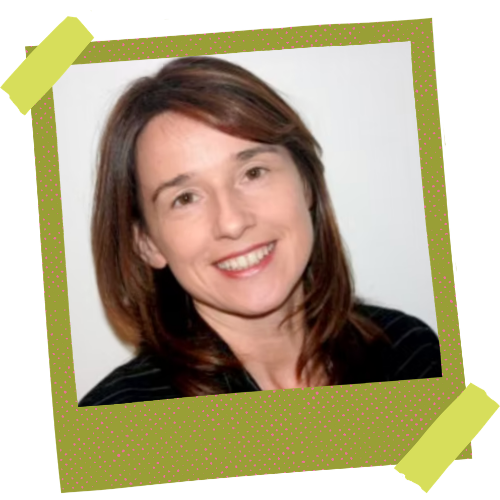
Terry grew up in Co. Limerick and studied Geology at Trinity College Dublin. She then completed a Master's in Hydrogeology at the University of Birmingham before moving into consultancy for the past 30 years. She's now the Environmental Director at AWN Consulting in Dublin.
-
Terry's work splits between the office and the field, where one day she works with engineers, architects, scientists and finance teams, and the next she’s out on site.
For Terry, the most important tool in her kit isn't a piece of equipment. It's communication. "We're all busy but trying to reach the same goal. It's important to have a laugh along the way."
-
"I always learn new things and meet new people."
For Terry, coming up with solutions that have a real impact keeps her motivated.
-
Don't rush to specialise. Get a solid undergraduate degree, try out a few different areas, and then consider a Master's.
As Terry said, "There are so many enjoyable and good opportunities in geoscience."

“I get to share cups of tea with locals and meet lots of interesting people from all kinds of backgrounds.”
Eoin Byrne:
Engineering Geologist
-
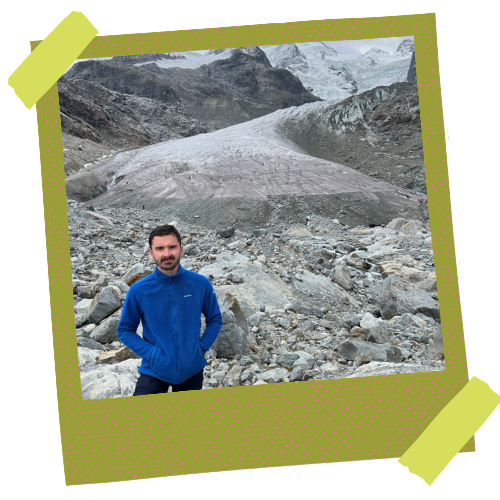
Eoin grew up in Co. Dublin and studied Earth Science at Trinity College Dublin. While writing his undergraduate thesis, the Head of Trinity's geotechnical lab spotted his potential and recommended him for a junior role at Ground Investigations Ireland. "I had secured my job two months after graduating, which is unusual in other fields." Seven years later, he's still there, now leading his own team.
-
Eoin's work is split between the field and the office. He travels across Ireland assessing sites, collecting samples and overseeing ground investigations for construction projects then turns those findings into detailed technical reports. One job might involve a bridge in Athlone, the next a remote hillside in Connacht.
"The best thing about the job is the variety of projects and locations."
-
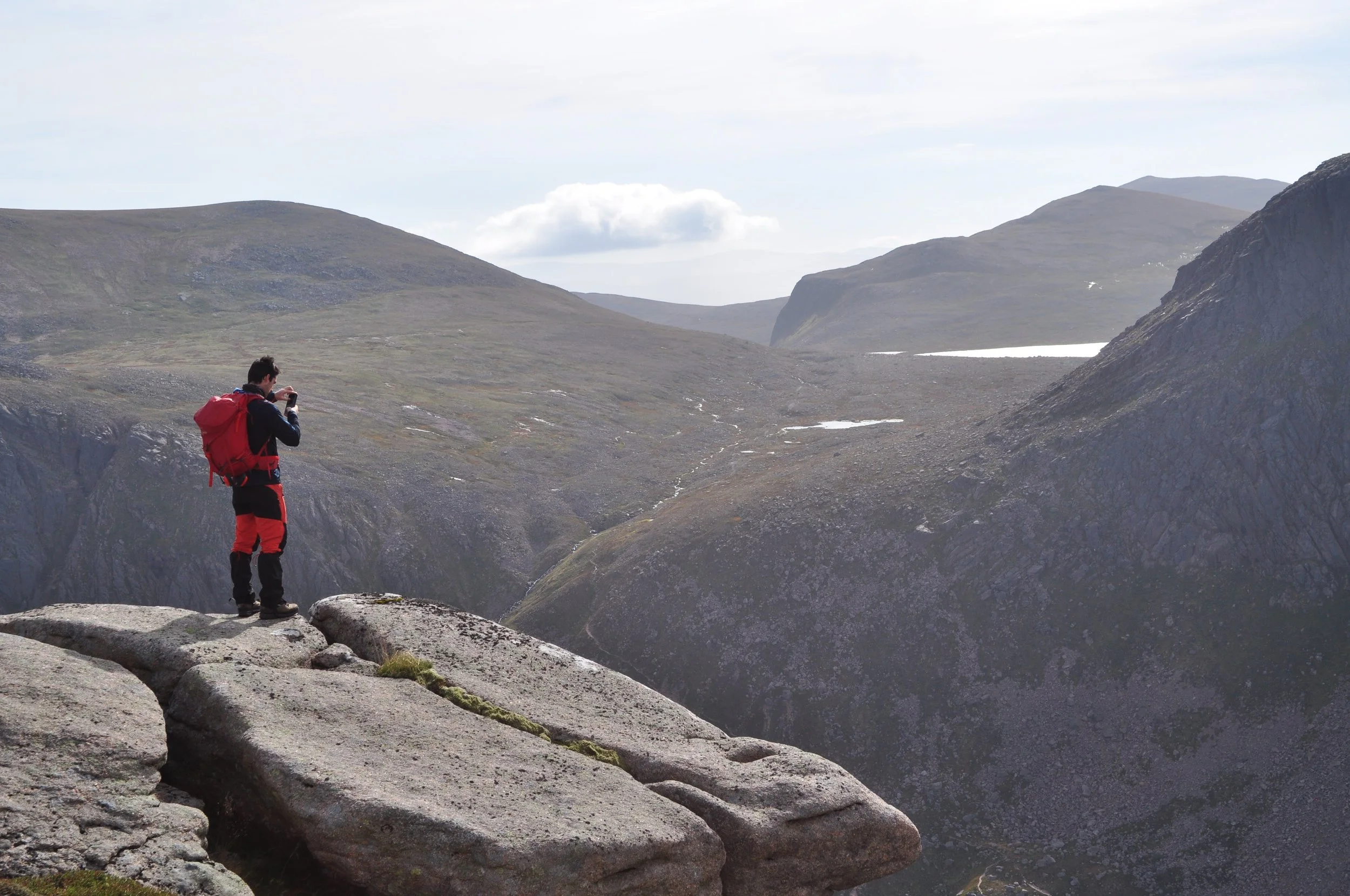
"When hiking over Lough Ouler in a miserable, hungover state, I found a green granite dyke running straight through the proudest point of the corrie. That improved my mood immeasurably and I took a chunk home that sits on my desk now."
For Eoin, it's the unexpected moments that make the job so rewarding.
-
"It's a challenge that gets rewarded. There is a satisfaction to working at the top of your game in the worst kind of weather."

“Not being desk-bound for the rest of my life was very appealing to me.”
Aileen Doran:
Risk and Sustainability Consultant
-
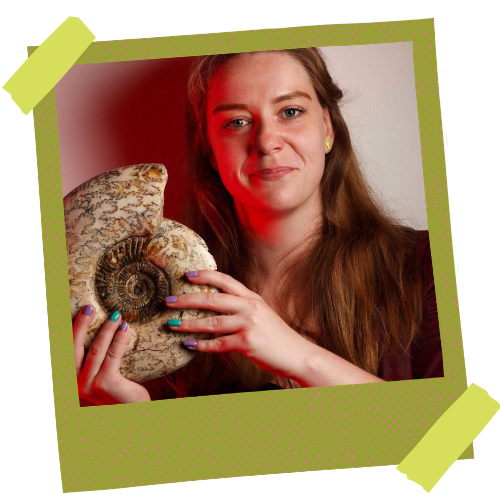
Aileen grew up in Co. Wexford and originally wanted to study psychology. Then she came across Earth System Sciences at UCC and everything changed. After graduating, she worked as a Graduate Geologist with the Geological Survey of Ireland, completed a PhD at UCD focused on Irish base metal geochemistry and completed a postdoctoral role researching copper-cobalt mineralisation in Zambia.
-
Aileen works with mining companies supplying the critical materials needed for a green energy transition to operate as sustainably and responsibly as possible. Depending on the week, she could be running workshops with people from all over the world or deep in data sets, presentations and reports. "The people I work with are all passionate about making positive changes in the world."
-
"During my PhD, I won funding to travel to Canada for six weeks. I turned it into two and a half months, travelled coast to coast and built a snowman in the Rockies."
-
"Always go after an opportunity or project you want, the worst someone will say is no, but you will regret it if you don't try."
And don’t forget. "Geology has a place for everyone."
“I thought of ‘rocks’ and assumed it was boring, but geology is connected to everything around us in ways I couldn’t have imagined.”
Alex Fuentes:
Consultant and Data Manager
-
Alex studied Geography and Geology at the University of Leicester, eventually specialising in Geology. After graduating, he moved into a mining consultancy as a GIS analyst, then took a detour into historical re-enactment. He returned to university, completed a Master's in Geospatial Science at UCL and hasn't looked back since. He now works at Satarla, combining his love of maps with a career in sustainability and raw materials.
-
Alex works on understanding how the world can responsibly source the raw materials that power modern life, from renewable energy technologies to smartphones and satellites. His role is mainly desk-based but involves travel across Europe and collaboration with researchers and experts from around the world.
"The massive diversity of work is the best thing, from workshops to web development, research to resource management."
-
The variety keeps things interesting. Alex has worked on EU-funded research projects, created a podcast about resource management and even attended a documentary premiere.
-
"Geoscience is more than just mining, we need people passionate about the earth to help us achieve a green and just transition."
“My career path hasn’t been a straight line, but stepping away from geoscience helped me confirm it’s a field I’m passionate about and proud to work in.”
Rebecca Ní Chonchubhair:
Hydrogeologist
-
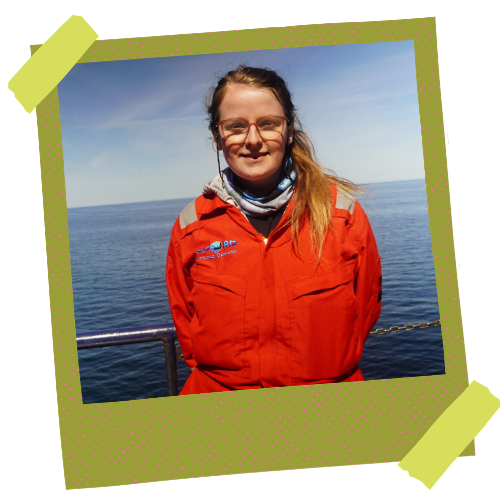
Rebecca grew up in Co. Dublin and studied Earth Sciences at Trinity College. She then went to Lancaster University for a Master's in Volcanology and Geohazards, but a hydrogeology module during her master's changed everything. She loved maths, data analysis and problem-solving. She's now a Hydrogeologist with the Geological Survey of Northern Ireland, helping to improve our understanding of groundwater across the country.
-
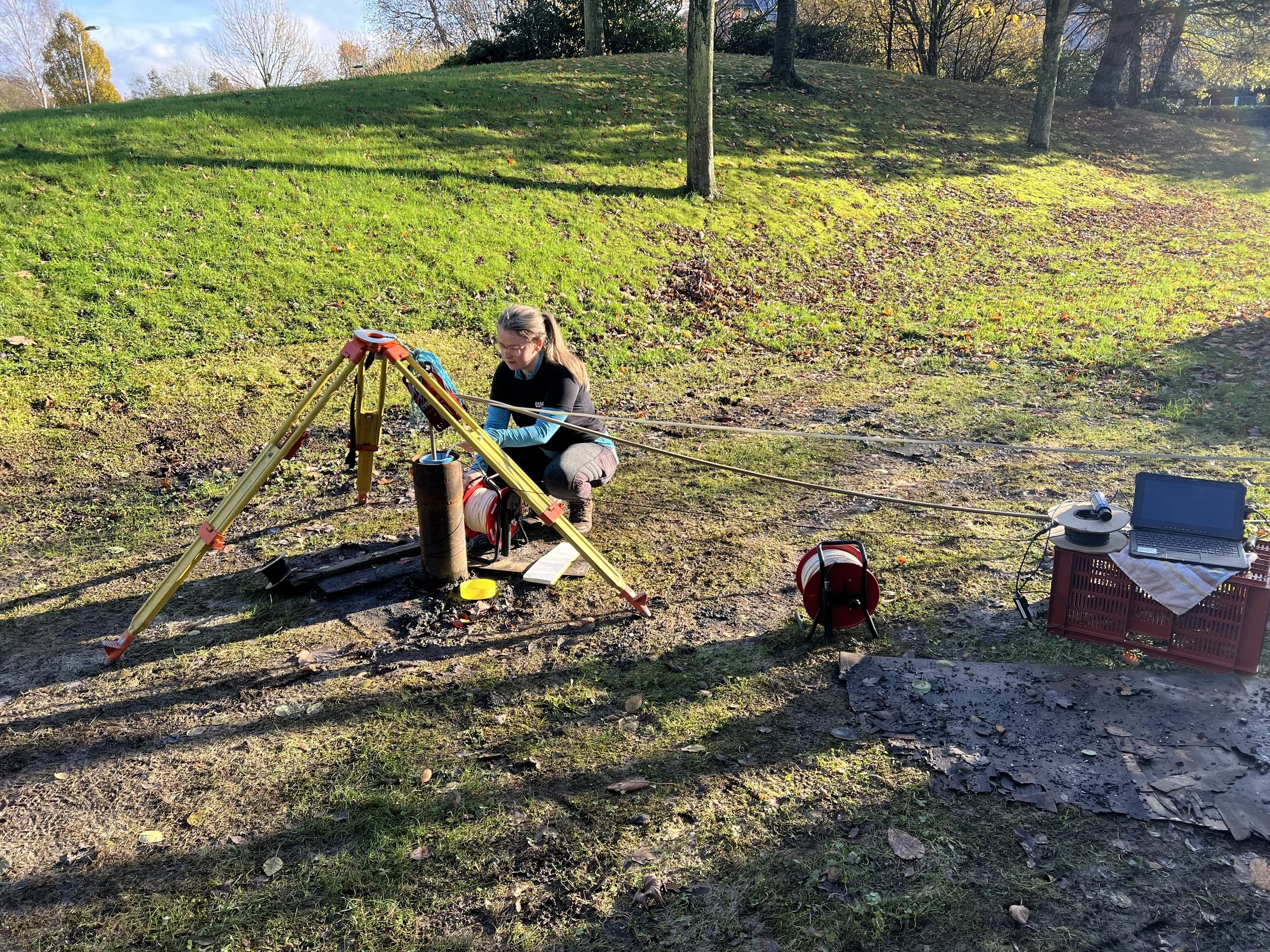
Rebecca's work is a mix of desk based and field work. Out in the field, she samples groundwater from wells, carries out pumping tests and monitors water levels. Back at the desk, she analyses the data, creates maps and builds a clearer picture of the groundwater environment across Northern Ireland. "The more data, the better."
-
"As part of the British Geological Survey, I spent six weeks on a marine drilling vessel off the coast of New England, looking for freshwater below the ocean. It felt like an adult science camp with everyone working enthusiastically 24/7."
Helping obtain those groundwater samples was a first for any IODP expedition and a career highlight for Rebecca.
-
Follow your interests and the opportunities will follow. Also, learn to drive as early as possible.
“Follow what you are interested in, the job opportunities will come.”
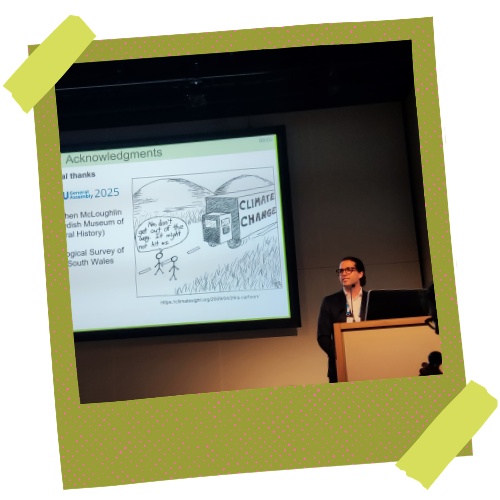
Marcos Amores:
PhD Researcher in Palaeoclimate
-
Marcos grew up in Portugal and studied Biology and Geology before heading to France and Sweden for an Erasmus-funded Master's in Palaeontology. Along the way, he volunteered at a museum working with tens of thousands of fossils and completed an internship at the Natural History Museum in Stockholm, working with microscopic plant fossils linked to climate change 120 million years ago. He's now a funded PhD researcher at University College Cork.
-
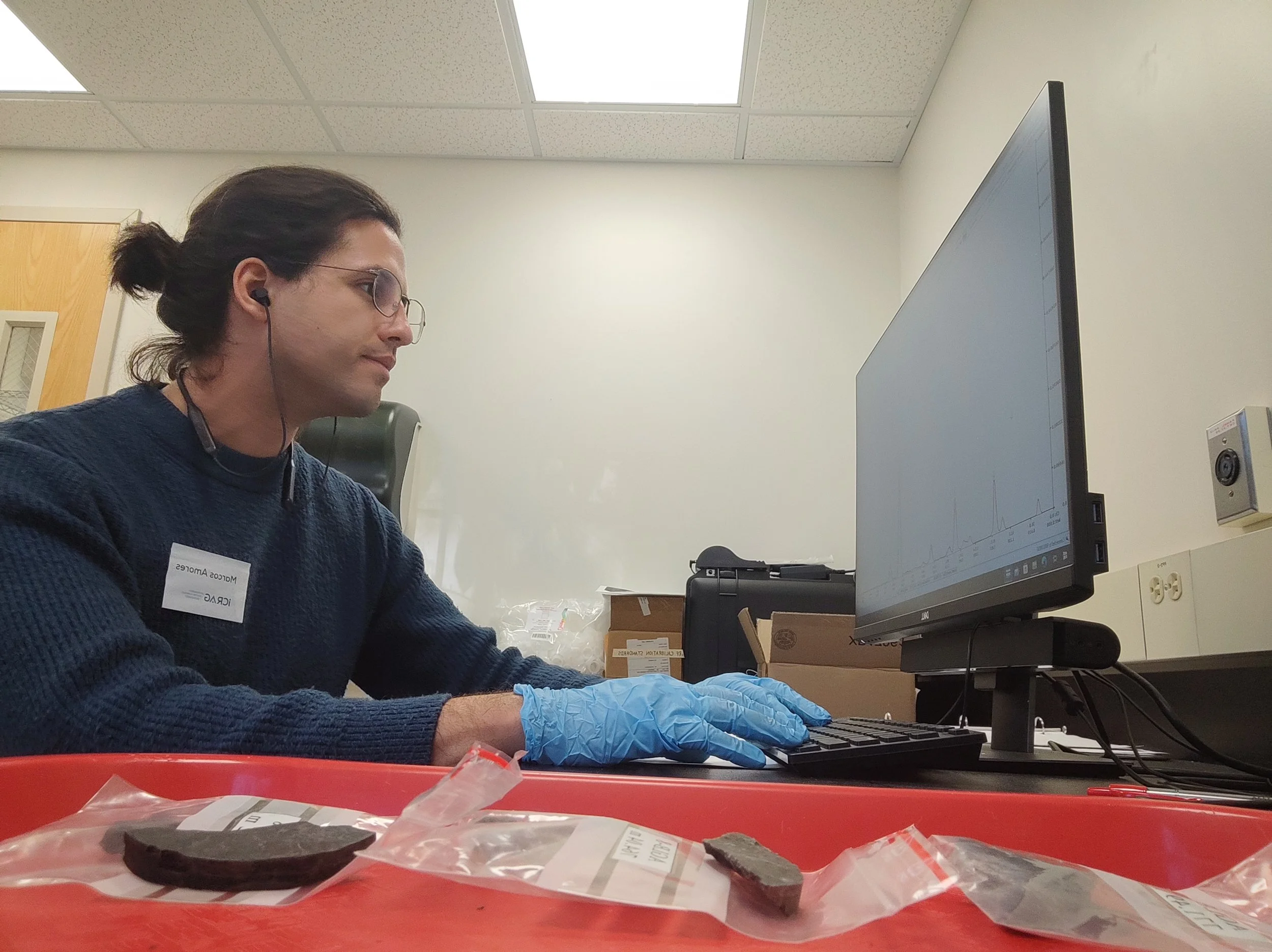
Around 90% of Marcos’ work is desk-based reading, writing and analysing findings. The other 10% involves collecting rocks in the field, doing lab work and engaging with other scientists.
-
Getting to tell the grand history of the Earth to others and Marcos loves firing X-rays to analyse rocks gathered from the field to see what they're made of. He also believes geoscience builds the ability to learn.
"You can start from nothing and quickly get on with the workings of it all."
-
Geoscience isn’t only about rocks. From deep sea exploration to planetary science, lab work to data programming, there's a place for everyone. Keep an open mind about where your career could take you, as it’s likely you’ll get to travel with it.
“The most unusual thing I have found is how cool and down-to-earth most geoscientists are.”

Emma Chambers:
Postdoctoral Researcher
-
Emma grew up in Bristol and studied Geophysics at the University of Southampton, graduating with an integrated Master's. She worked at ION Geophysical before returning to the University of Southampton to complete a PhD, then moved to Dublin for her first postdoctoral role. In 2023, she secured her own independent research funding and now leads her own projects.
-
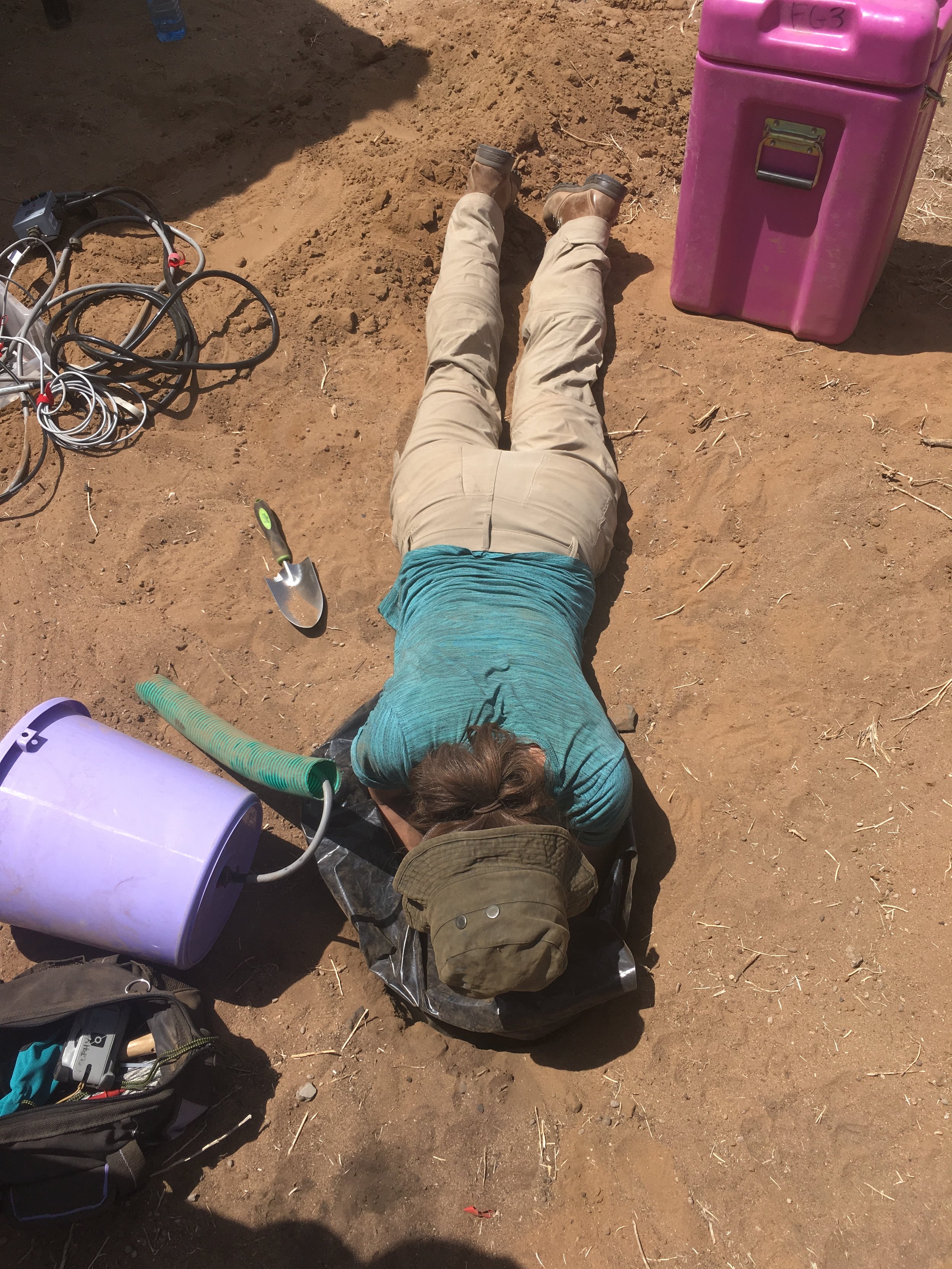
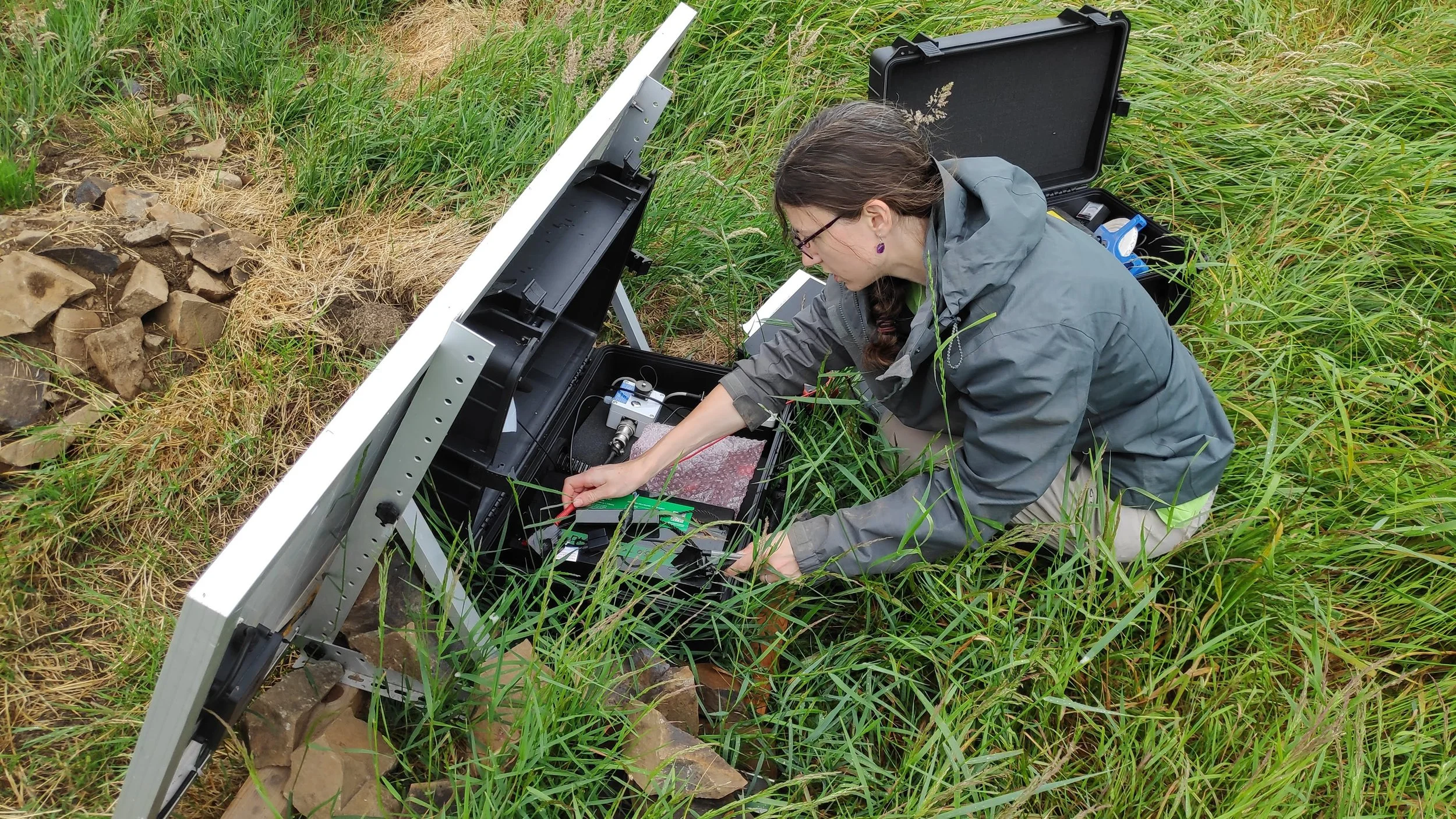
Emma uses programming and data analysis to map subsurface temperatures across Ireland, identifying areas suitable for geothermal energy extraction. She’s a research fellow, which is someone who works at a university and discovers new things that we didn't know before. Emma has her own project and supervises and teaches students as well. She also gets to go on seismic fieldwork, installing instruments that detect earthquakes and ground vibrations, which has taken her to Ethiopia, Kenya and New Orleans.
-
The job combines two things Emma loves: solving real-world energy problems and exploring the world. "
I work in a 300-year-old building that was once a house, a school and a doctor's surgery before becoming a research institute."
No two days look the same.
-
Maths, geography and physics all feed directly into Emma's work every day and her advice is to “Always be curious and if you're interested in something, ask if you can have a go!”
“Always be curious!”
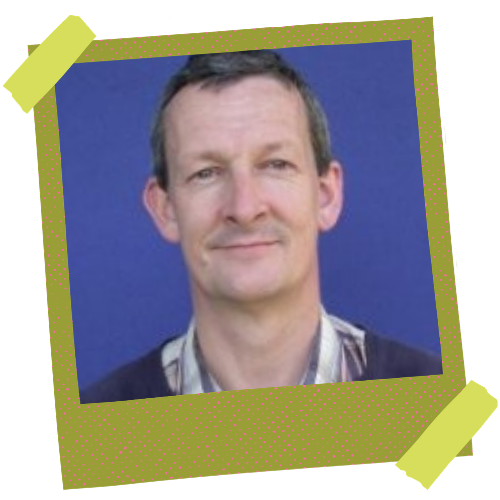
John Walsh:
Professor of Geology
-
John grew up in Co. Dublin and studied Science and Geology at UCD, followed by a PhD at the University of Galway. He went on to become a Senior Lecturer at the University of Liverpool before returning to UCD in 2000, twenty years after he first graduated.
During his career, he worked closely with colleagues around the world, with their research being supported by government, industry and research councils.
-
John studies faults and fractures in the earth's crust and how they affect everything from natural hazards to energy, groundwater and minerals. His work is a mix of desk and fieldwork, always in collaboration with a team.
"The best thing about my job is discovering how the world works and communicating that to other scientists and the public."
-
John enjoys examining the processes that have produced the Earth and investigating how the Earth has evolved through time. It helps that Geoscience is central to the production of building materials, energy, minerals and water, and to the generation and protection of the environment.
-
“Explore whatever subjects you are most interested in at school, and if all goes well, you could end up working on something you love to do!”
“I never thought I’d be lucky enough to get into a subject I was interested in from a young age.”
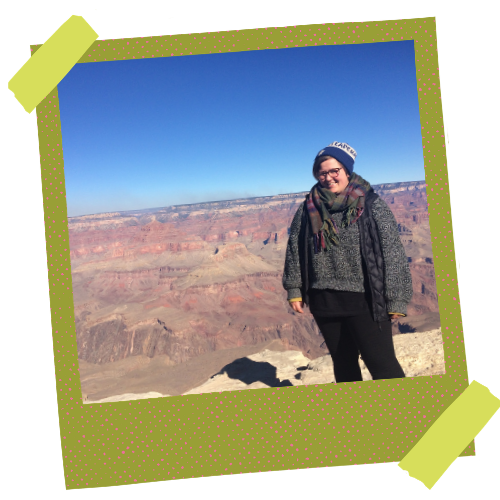
Nikita Turton:
PhD Researcher
-
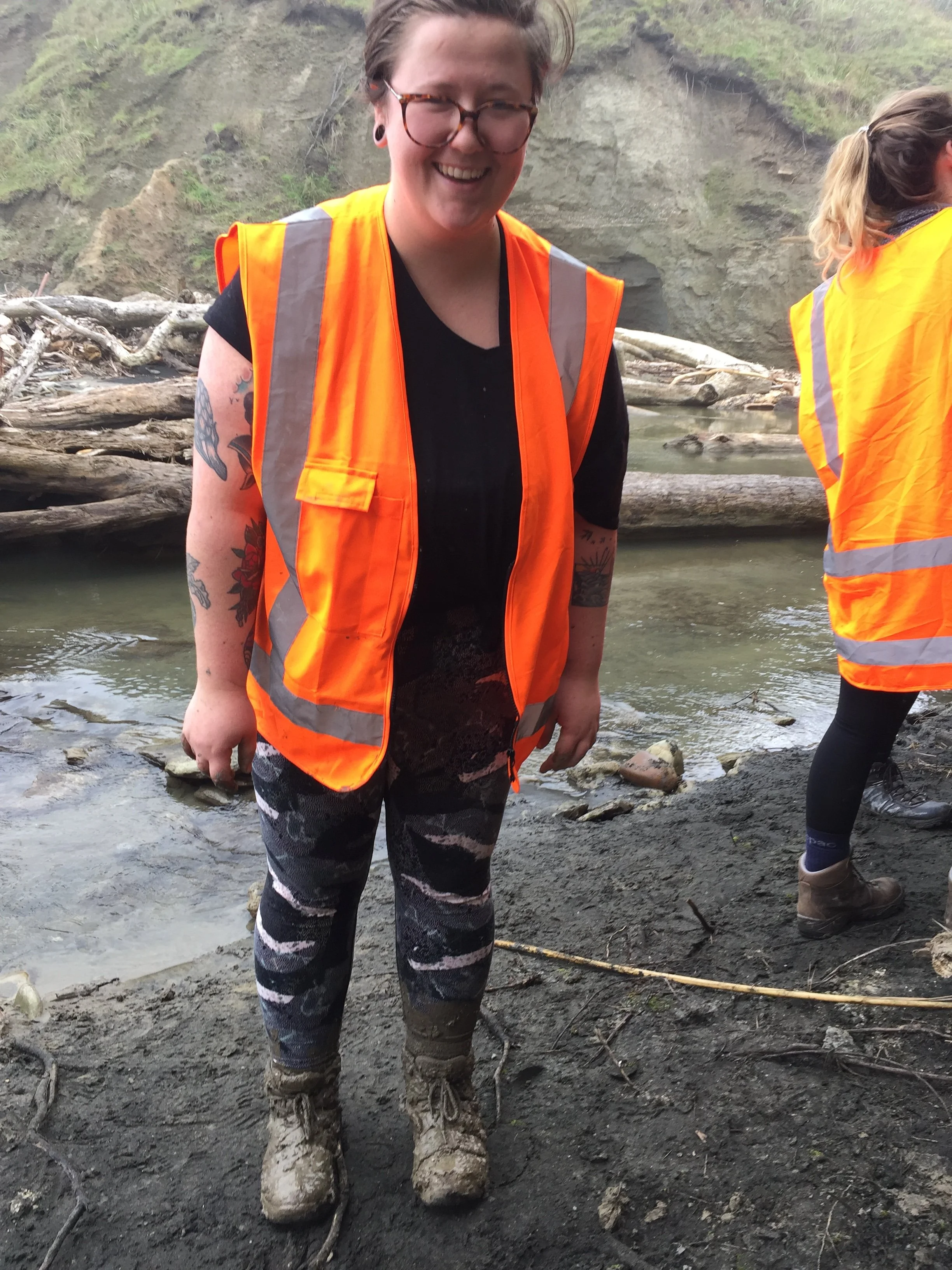
After years working in hospitality, Nikita started university as a mature student, completing a Bachelor's and a Master's in Geology at Victoria University of Wellington.
Now 11 years into a geoscience career, she's currently finishing a PhD in Earth Sciences at UCD.During his career, he worked closely with colleagues around the world, with their research being supported by government, industry and research councils.
-
Nikita studies palaeoclimate, the earth's climate in the geological past, to understand how the environment changed during times when carbon dioxide was really high and understand what might happen to the climate in the decades to come.
Her work is a mix of lab-based (geochemistry and sedimentology) and desk work, sometimes going into the field for teaching within a large international research community.
-
The best part of Nikita’s job is how satisfying it is to see all of the data coming together into a cohesive story.
A lot of paleoclimate research is just like telling a story of what happened in the past using science!
-
Learn to code. And don't underestimate your non-science subjects; Nikita's most surprisingly useful skills came from graphic design.

“If you can work in a cafe, you can work in a lab!”
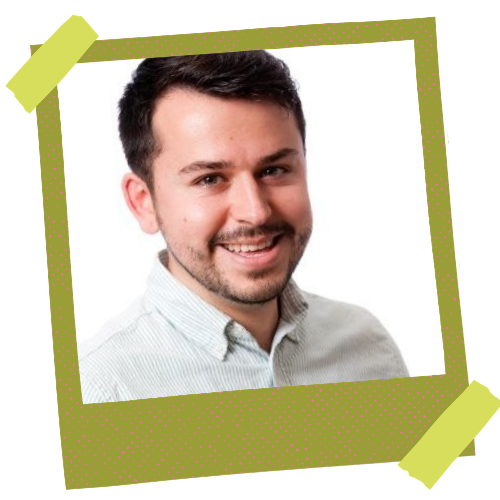
Alex Russell:
Geochemist

-
Alex was steered toward medicine in school but chose Chemistry at the University of St Andrews instead, where Earth Sciences quickly became a true interest. A PhD opportunity at UCD investigating naturally-occurring arsenic in Irish drinking water pulled together his interests in geology, chemistry and medicine all at once.
He now works as a geochemist advising mining clients on water quality and environmental protection.
-
Alex uses the chemistry of water, rocks and soils to make predictions of water quality around mine sites. Primarily desk-based, his role also involves site visits for sample campaigns or other offices for meetings.
"My job is very flexible in terms of where I can work, and also very varied in terms of the work I complete with numerous projects in any year."
-
Working at the intersection of mining and sustainability, helping to source the materials needed for the green energy transition in a way that protects surrounding environments and communities.
-
Geoscientists draw on far more than science; maths, languages, English and communication skills all play a role.
"Geoscientists have a very special way of thinking across disciplines and applying their skillsets to understand the earth."
“I didn’t picture myself working in geosciences in school, but when I think back on what I enjoyed most in terms of the natural world, the outdoors, and science, then it makes total sense that I do.”
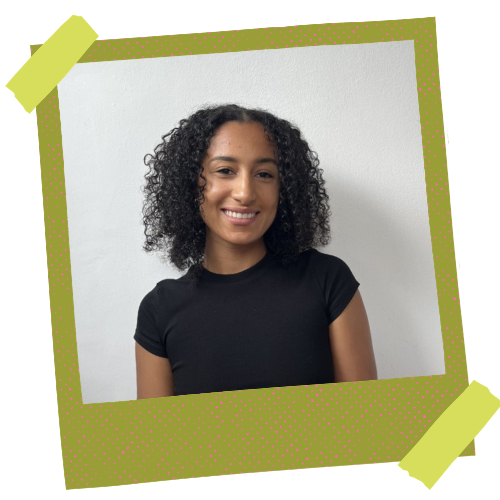
Rioko Moscardini:
PhD Researcher
-
Rioko studied Environmental Geoscience at Durham University before completing a Master's in Petroleum Geoscience at Imperial College London. She then worked in London as part of a geothermal team at CGG (now called Virdien), applying her studies to real-world energy projects.
A PhD opportunity that matched her interests perfectly brought her back to university, where she continues her studies through doctoral research.
-
Rioko investigates rocks beneath the ground that can contain warm water trapped between their grain to determine whether water can be used as a renewable energy source, known as geothermal energy.
Her work combines fieldwork, data analysis and detailed lab work using microscopes to study rock grains.
-
Meeting new people and working independently on research that matters.
"The amazing places you get to go for fieldwork, conferences and summer schools are always so fun."
-
You don't have to love every aspect of geoscience to build a great career in it.
"If you like one aspect but not others, there is most likely the career you want available."
The skills are transferable across science too; geoscience won't put you in a box.
“I didn’t realise jobs like this even existed, but I’m really glad I followed the subjects that interested me.”
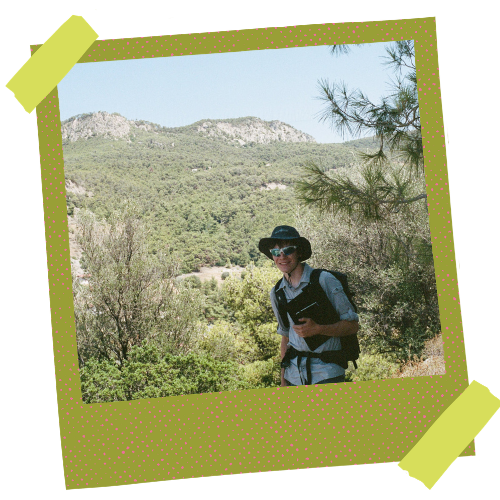
Adam Mann:
Postgraduate Researcher
-
Adam grew up loving the outdoors and nearly studied outdoor education before deciding to blend his love of science and nature by studying Geography and Geoscience at Trinity College Dublin. Along the way, he spent six months on Erasmus at the Arctic University of Norway and six weeks in Greece for his final year project. After graduating, he worked as an engineering geologist at Ground Investigations Ireland before returning to academia for a research Master's at UCD with iCRAG.
A PhD opportunity that matched her interests perfectly brought her back to university, where she continues her studies through doctoral research.
-
Adam's work has always mixed the indoors and outdoors. As an engineering geologist, he travelled all over Ireland supervising drilling and excavation works. Now, as a researcher, his time is split between desk work, lab work and fieldwork.
-
The variety. "There are jobs fully outdoors, fully indoors, and everything in between!" No two days look exactly the same.
-
If you love science and the natural world, you won't regret it. His favourite school subject was Design and Communication Graphics, but Physics has been his most used subject, as he says: "This taught me how to think like a scientist."
And don’t forget “a pair of boots and a driving licence can really come in handy!”
“The great outdoors doesn’t usually come to you - so a pair of boots and a driving licence can really come in handy.”
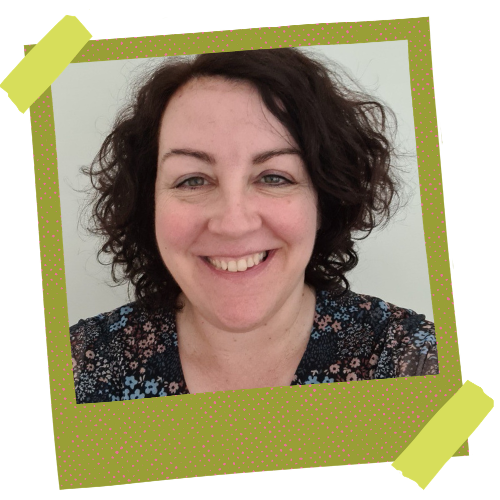
Sarah Gleeson:
Professor of Sustainability Geosciences
-
Sarah studied Geology at Trinity College Dublin before heading to Imperial College London for her PhD. She went on to work as a postdoctoral researcher in London and Leeds, then moved to Canada as a professor at the University of Alberta, followed by a research role in Germany before returning to Dublin in 2024.
-
Sarah investigates why large metal deposits form in some places and not others. It’s scientific detective work that combines fieldwork, lab analysis and desk-based research. Her work has taken her to remote locations in Canada accessible only by helicopter, standing on rocks 700 million years old.
Her work is very much about teamwork: "In many ways, it is no different from being part of a sports team."
-
So far, Sarah’s favourite part of her career has been working on her PhD. However, in her current role, she loves the fact that she's never bored.
"There are always new questions to answer and people to learn things from."
-
"If you like physical geography and being outside and thinking about our planet, do a geoscience degree!"
And don't underestimate writing skills, Sarah spends a lot of time editing other people's work than she ever expected.
“There is always something to learn - I’m never bored!”
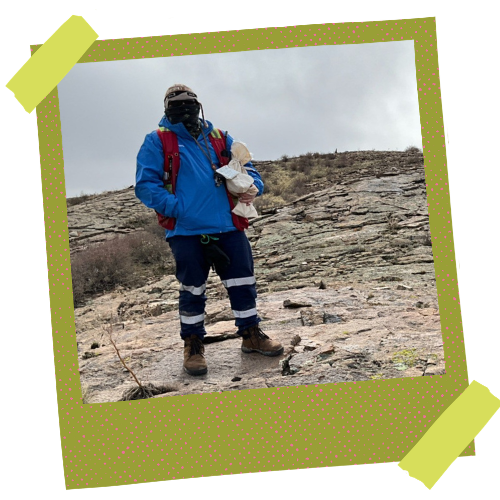
Sean Troy:
Project Geologist
-
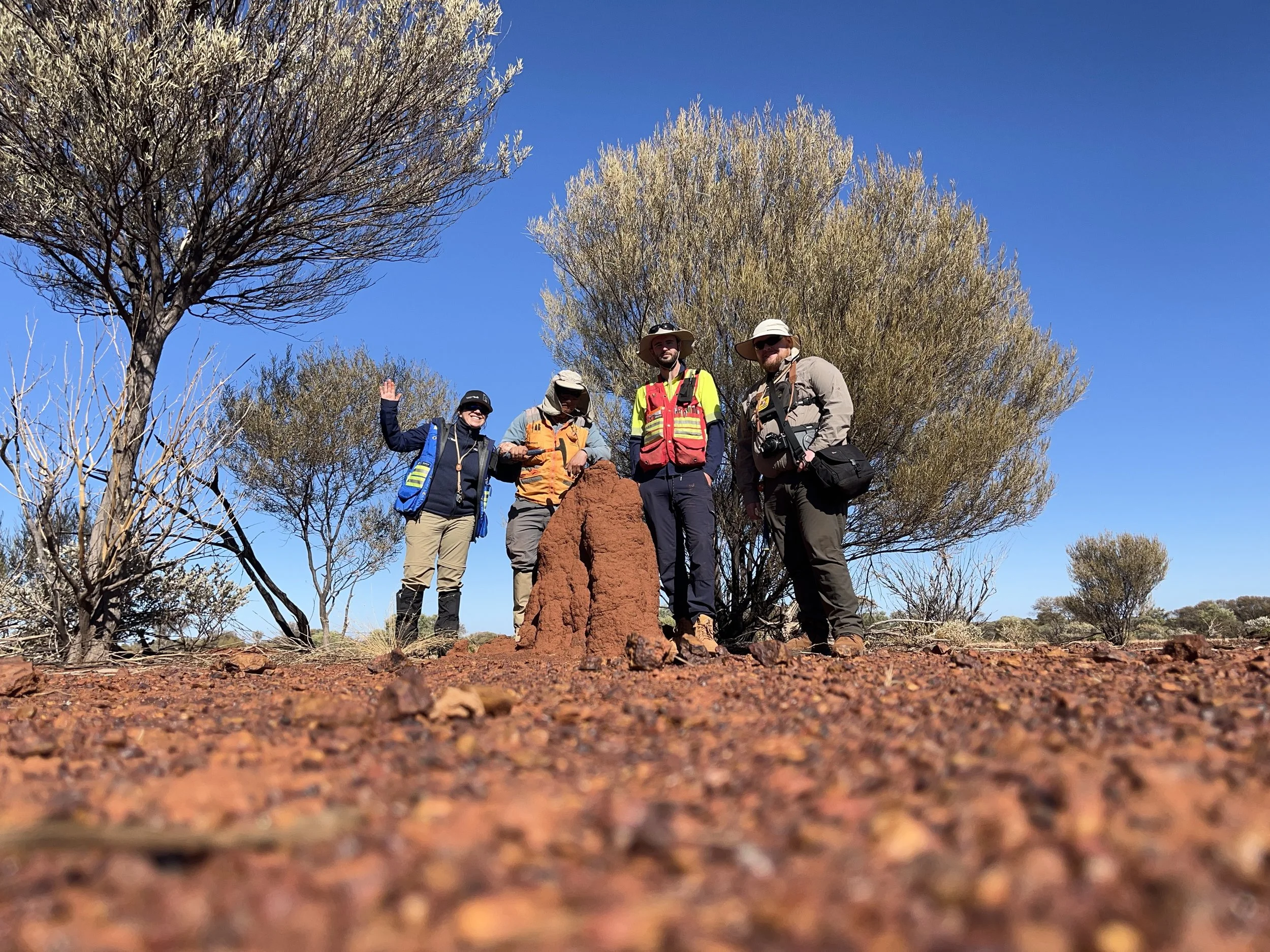
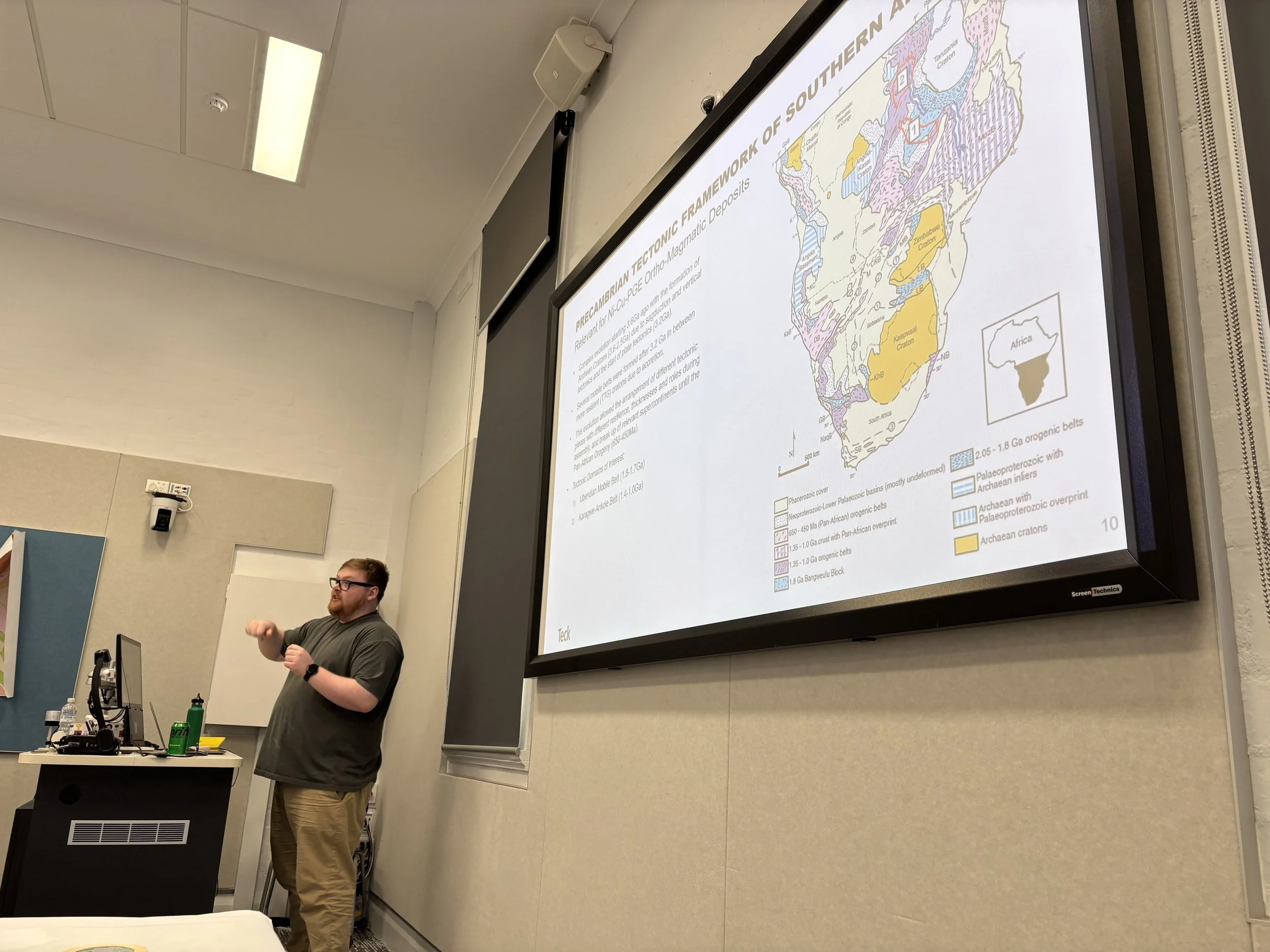
Sean grew up in Dublin and studied Geology at Trinity College Dublin before completing a Master's in Mining Geology at the Camborne School of Mines in 2016. He went on to work in geological consulting in Australia, a gold exploration company in Ireland, and the Geological Survey before joining Teck, all within a few years of graduating.
-
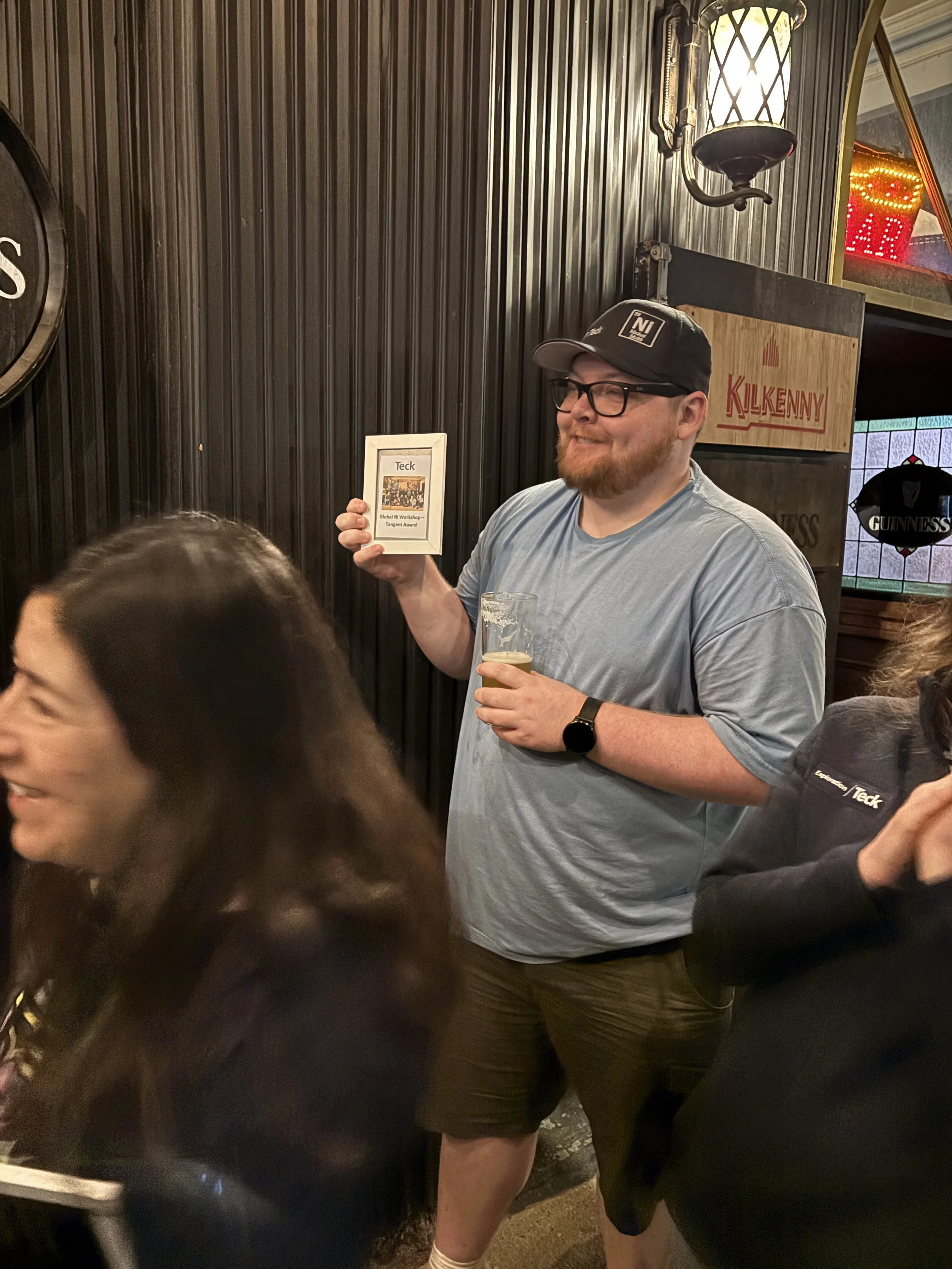
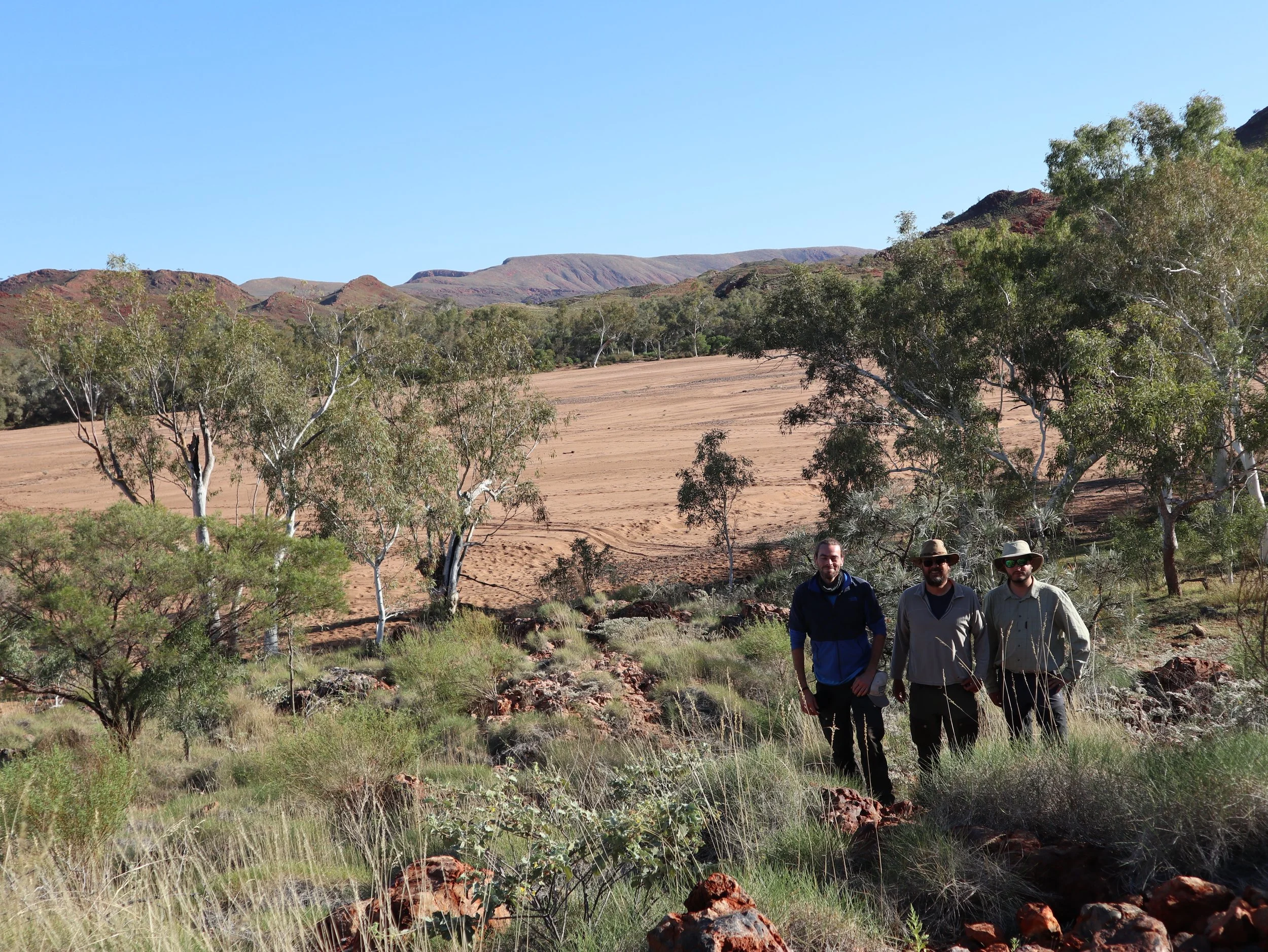
Sean works with Teck's global generative team, searching for brand new mineral exploration projects in areas with no known deposits. Mostly desk-based and working from home, he spends field season, often a month at a time, in locations ranging from Southern Africa to Central Asia, Turkey, the Balkans and Australia.
Her work is very much about teamwork: "In many ways, it is no different from being part of a sports team."
-
The creativity and the challenge. "I love how challenging it is, it's a very difficult role that requires a lot of creativity."
No two projects are the same and no two field seasons look alike.
-
AI is being used more in Sean’s work, but in his experience, it's empowering rather than replacing.
"Knowing how to think and being eager to learn will be more important than rote learning of facts and figures. Being keen to learn and improve will always see you right."
“Do it. It’s incredibly rewarding with lots of opportunities to travel and should be relatively AI-proof.”
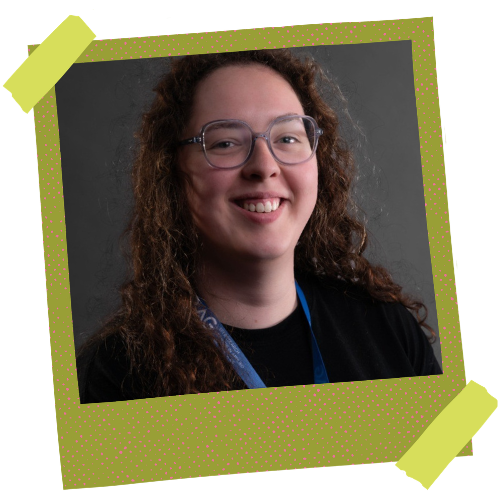
Rebecca Rivera:
PhD Researcher
-
Rebecca grew up in Dublin and studied Environmental Science at Trinity College Dublin, entering through the Biomedical and Biological Sciences stream. She went straight into a PhD after graduating. Now four years into her research, she studies microscopic fungi found in peat and what they can tell us about past climates and climate change.
-
A mix of desk work, lab work and science communication. Rebecca processes peat samples in the lab, examines fungal spores under the microscope and writes up her findings. She's also appeared on RTÉ's 10 Things To Know About to showcase her research and once collaborated with a fiction writer on a piece about peatlands.
-
The flexibility and the variety. "I get to engage a lot with science communication activities!"
Her Leaving Cert Geography still comes in handy too, she draws on it regularly when writing about her research site in the Wicklow mountains.
-
You don't need to have it all figured out. Rebecca stumbled into geoscience by process of elimination.
"Most people don't know what they want to do, so it's okay not to know. You can always change career paths or take the 'scenic route'."
“It’s such a broad field, you’ll more than likely find something you’ll enjoy within geoscience.”
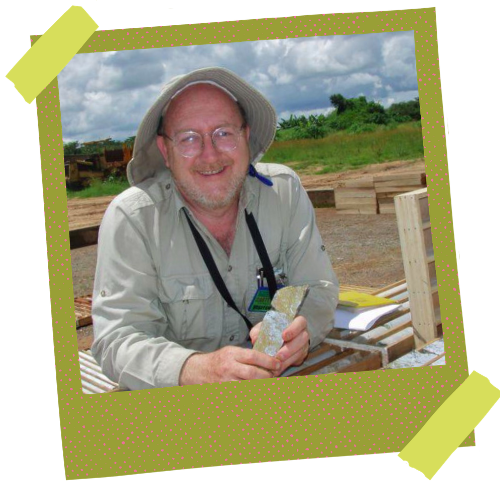
Murray Hitzman:
Professor Emeritus
-
Murray's career has taken him from university to the private sector, government, academia and back again around the world. He holds degrees from Dartmouth, the University of Washington and Stanford, and was largely responsible for the discovery of the Lisheen Zinc-Lead-Silver deposit in Ireland in 1990.
He has since worked as a policy analyst in the US Senate, advised the White House, led a university department and served as Associate Director of the US Geological Survey.
-
Murray's work has spanned field research, lab work, business and government policy, often all at once. His favourite role was as Associate Director of the USGS, carrying out direct geoscience research in energy and minerals while advising the US government on geoscience policy.
"I work with a wide variety of people in a variety of ways."
-
A career that has genuinely taken him everywhere. "What a long strange trip it's been."
Geoscience opened doors that Murray couldn't have predicted, from Capitol Hill to the Central African Copperbelt.
-
His favourite school subject was Journalism and the one that’s surprisingly been useful to his career was Anthropology.
Murray’s advice to students? "Go for it!"
“My goal is to try to make geoscience exciting for people.”

Clare Glanville:
Senior Geologist, Programme Lead for Geoheritage and Planning
-
Clare completed a PhD in Quaternary Science at UCD before joining Geological Survey Ireland. She then spent nearly two decades working in environmental consultancy with stints travelling and working in New Zealand and Australia along the way, specialising in brownfield site assessment and remediation.
She returned to Geological Survey Ireland in 2019 and hasn't looked back.
He has since worked as a policy analyst in the US Senate, advised the White House, led a university department and served as Associate Director of the US Geological Survey.
-
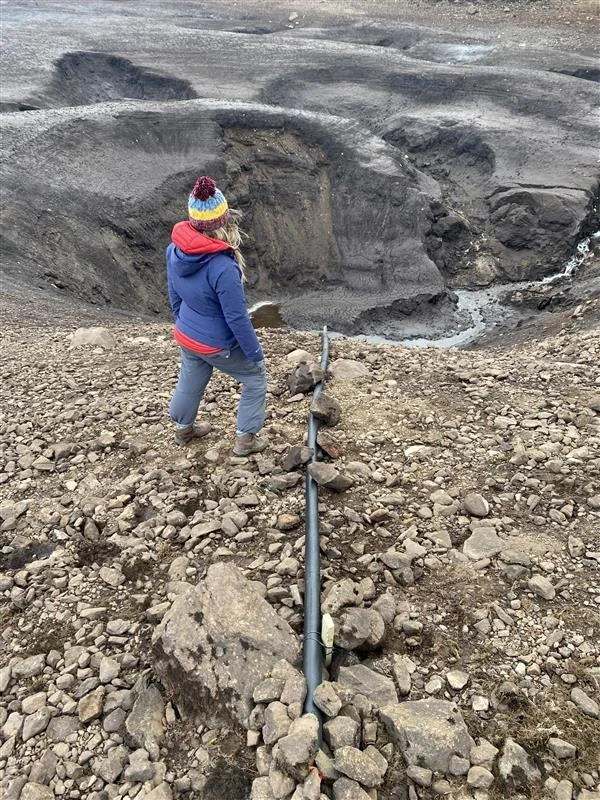
Clare supports geoheritage outreach projects and UNESCO Global Geoparks across Ireland, while providing geological data to the planning process. Her career has taken her from field work to office work, from contaminated land remediation to glacier travel by skidoo in Iceland.
"My favourite part of my job is working with other people and travelling."
-
Understanding the earth around us helps us understand the earth's story and our geoheritage, the elements of that story that are worth protecting for future generations. During her PhD, she remembers helping one particular couple in Iceland who found their home uninhabitable due to being contaminated by heating oil. The best part of her job was helping remove the contamination so they could return home.
-
Geography, Chemistry and History all feed into Clare's work every day."Don't be afraid of opportunities and open every door."
“Don’t be afraid of opportunities and open every door.”

John Barry:
Economic Geological Consultant
-
John started his working life at Bank of Ireland before deciding to return to education, studying Geology at the State University of New York and completing a Master's at Penn State University.
He now works as an Economic Geological Consultant, has worked in over 70 countries, and has discovered three major gold mines in Africa.
She returned to Geological Survey Ireland in 2019 and hasn't looked back.
He has since worked as a policy analyst in the US Senate, advised the White House, led a university department and served as Associate Director of the US Geological Survey.
-
John consults on mineral deposits and advises on how they can be explored effectively, which means travelling the world to visit the rocks and deposits firsthand.
"You have to go to the mountain, as the mountain can't come to you in a classroom or office."
His work helps discover the zinc and copper essential for electric grids, data centres, cars and everyday appliances.
"My favourite part of my job is working with other people and travelling."
-
The travel, the cultures, the food and spending time outdoors in nature. His favourite job so far was gold exploration in Sub-Saharan Africa.
-
"If you love travel and nature and the excitement of discovery, then it is the job for you."
“If you love travel and nature and the excitement of discovery, then it is the job for you.”

Julie Auerbach:
PhD Researcher
-
Julie studied Earth Science in Ireland before completing a Master's in Geology and Geophysics in Malta. She went on to work in the Maltese public service, became Malta's first national delegate to EuroGeoSurveys, and opened the door to Malta's participation in the EMODnet Geology programme.
Since then, she’s worked with UNEP-MAP in Greece, managed projects in Belgium and become self-employed, all while now completing a PhD.
-
Julie's work blends project management, research and international collaboration. Some days are desk-based writing reports, analysing data and planning projects. Others involve online meetings with colleagues across Europe or travel for conferences and workshops.
"No two weeks are exactly the same, which keeps the work interesting and varied."
-
The project management side is Julie’s favourite. She plans what need to be done, who’s doing it and when it needs to be finished to make sure everyone involved across different countries are working towards the same goal.
-
"Stay cool and carry on - life evolves and develops and you'll find your way."
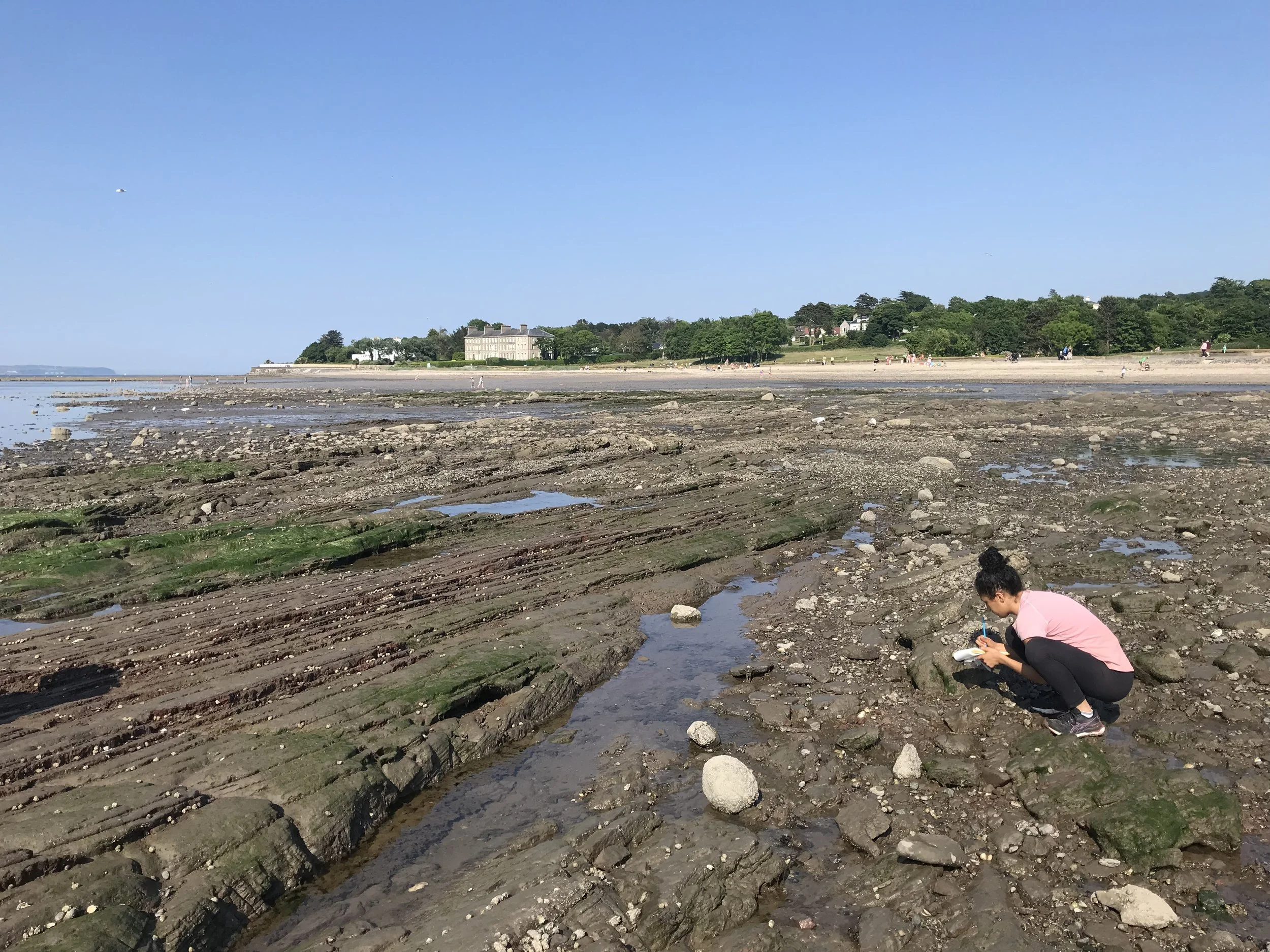
And if you're ever in Wexford, visit Hook Head, "timeless fossil beds."
“Stay cool and carry on - life evolves and develops and you’ll find your way.”
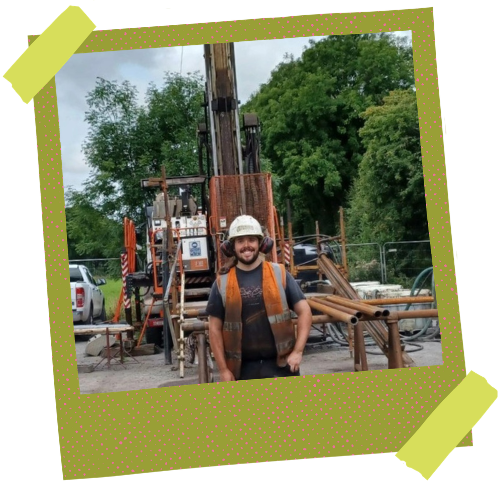
Tony Gallagher:
Engineering Geologist
-
Tony graduated from NUIG in 2022 with a degree in Earth and Ocean Science before joining the Geological Survey Ireland's graduate Geologist programme. He worked across multiple departments, from the minerals team to a drill rig as a driller's assistant, before moving into junior exploration geology at BRG and eventually landing at geotechnical firm IGSL, where he works today.
Since then, she’s worked with UNEP-MAP in Greece, managed projects in Belgium and become self-employed, all while now completing a PhD.
-
Tony investigates ground conditions ahead of construction, digging trial pits, testing how water moves through soil, supervising drilling and testing samples in the lab. His work is roughly 80% fieldwork and 20% desk work. "No two weeks are exactly the same, which keeps the work interesting and varied."
-
The variety of work and the breadth of experience gained early in his career. Tony's journey took him from quarry databases to geothermal boreholes in Tullamore to geophysical surveying in south-west Ireland, all within a few years of graduating.
-
"Be aware that many geoscience roles require you to travel a lot. Get your driver's license; it's more valuable than a degree."
“Get your driver’s license, it’s more valuable than a degree.”
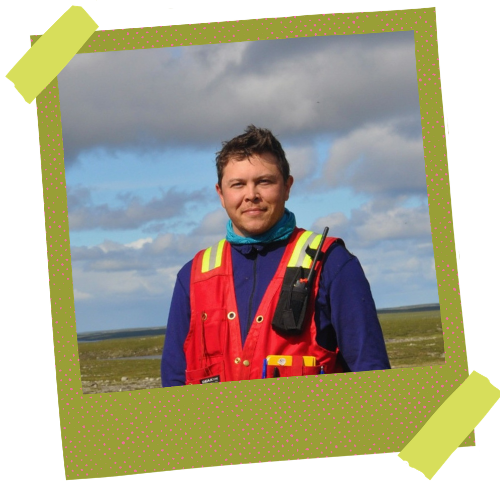
Sam Kelley:
Lecturer in Geology
-
Sam grew up in Maine and studied at Dalhousie University in Nova Scotia, spending summers creating geological maps for the Canadian government in the Arctic. A Master's at the University of Maine, a PhD at the University at Buffalo studying the Greenland Ice Sheet, and a postdoctoral role in Canada followed before he eventually moved to Dublin. His favourite job so far has been as a Geological mapper in the Canadian Arctic.
-
Sam splits his time evenly between teaching, office work and the outdoors, collecting samples and running a chemistry laboratory. His research focuses on how Ireland's landscape was shaped by ice sheets more than a kilometre thick during the last Ice Age, and what that tells us about how landscapes might change in the future. "Even the M50 is influenced by the glacial sediments beneath it."
-
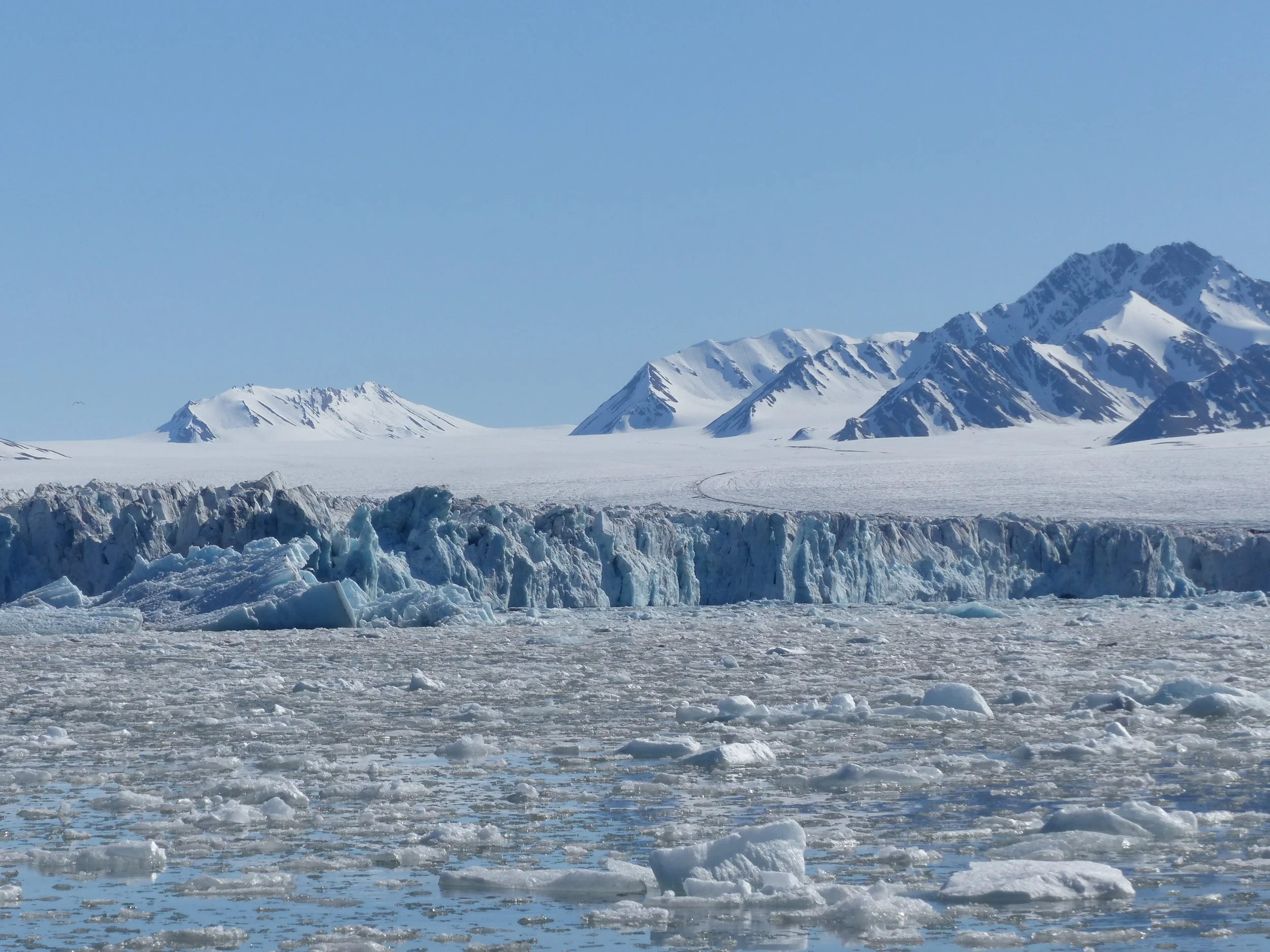
The remote and wild places geoscience takes you. "I've been lucky enough to travel across most of the Arctic, living in tents and travelling by float plane and helicopter." Each experience, he says, built on the last.
-
“A broad background sets you up well to make a decision about what you might want to specialise in later. Don't worry if there's a course you don't like at first or that you find hard. I found chemistry really hard in secondary school and now I run a chemistry laboratory, so give things time.”
“Don’t worry if there’s a course you don’t like at first or that you find hard — give things time.”
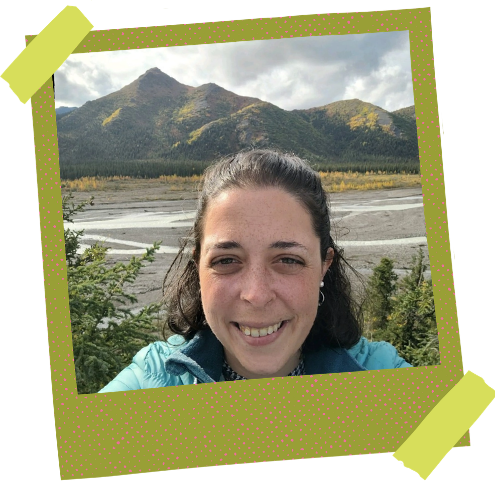
Rachel Healy:
PhD Researcher
-
Rachel started a Chemical Engineering degree in London before realising being good at something isn't the same as enjoying it. She transferred to Earth Sciences at Trinity Dublin, fell in love with geology and graduated top of her class. A PhD in Leeds followed, until serious illness forced her to step away. During COVID lockdowns, she spotted a random online listing for a research assistantship in Irish fossils, winged the interview and got the job. Four years later, she's a funded PhD student in palaeontology, loving every minute of it.
-
Rachel studies the ecological history of Galway Bay, using fossil marine communities to understand how the bay might respond to future climate change. Her research has real economic significance too, supporting the fishing and shellfish industry that many Irish communities depend on. During fieldwork in remote South Africa, she once stumbled across San cave paintings and was briefly famous in the area for it.
-
Finding the thing she genuinely loves.
"I now sit here as a 4th year PhD student, with a very successful project in palaeontology, loving what I study and looking forward to what comes next."
-
You don't need Geography to do a geoscience degree. Rachel's favourite subjects were Applied Maths and Art.
"Geoscience is a very open and unconstricting science; you can apply almost any type of science to it."
“It is ok to change your mind on career paths and leave them if you are not happy with it.”

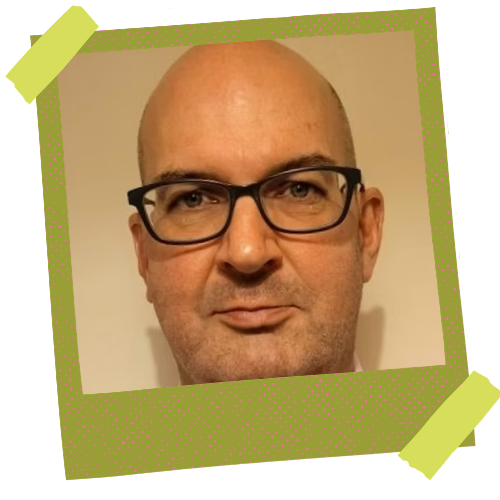
Peter Glanville: Technical Director, Hydrology & Hydrogeology
-
Peter attended secondary school in Dublin and studied Geography at UCD before completing several postgraduate degrees and certifications. He has worked as a Director at SLR Consulting for the past 25 years.
-
Peter's work spans hydrology and hydrogeology, split between the field and the office. His career has taken him to unique and unexpected places across Ireland and around the world. "Geoscience is a people's business, business is people to people." The best part of the job, he says, is the people you meet along the way.
-
Solving problems and making a real difference.
"What we do has an impact on everyday life from the energy we use, to the roads we travel, to the water we drink."
-
"Be interested, have fun and keep learning."
“Be interested, have fun and keep learning.”
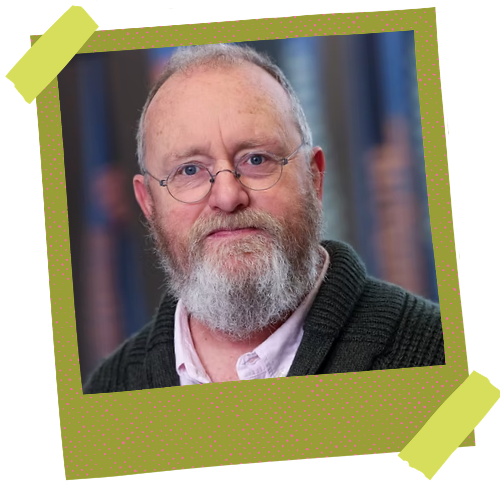
Brian Kelleher:
Associate Professor in Biogeochemistry
-
Brian didn't go to university straight after school. Instead, he spent years working across Ireland and Boston. At 26, he returned to education as a mature student, studied Environmental Science at the University of Limerick and never looked back. A PhD, postdoctoral research in Ireland, Mississippi and Toronto, and a lectureship at DCU followed. His interest in geoscience started with vegetable gardening.
-
Brian lectures in environmental chemistry and researches marine carbon cycling and soil health. His week includes teaching, supervising research projects, writing papers and collaborating with scientists worldwide — with fieldwork and sample collecting thrown in. His favourite posting so far was a two-year research role at Mississippi State University studying soil science and gas hydrates on the sea floor.
-
Work that feels meaningful.
"Through research and teaching, I have met incredible people and travelled to places I never imagined I would see."
-
"Follow your heart."
“I did not know what I wanted to do when I left school, but there is plenty of time to find something you love.”
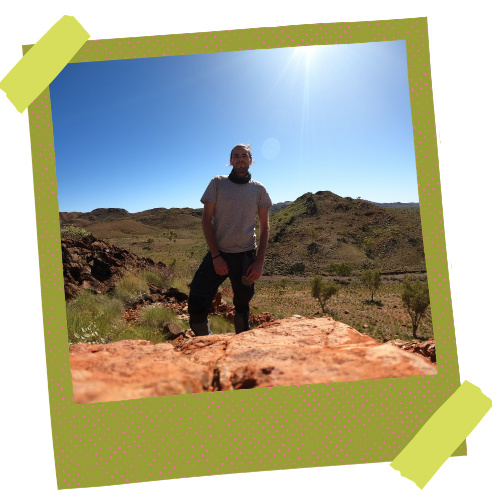
Seán Jordan:
Associate Professor of Biogeochemistry and Astrobiology
-
Seán originally wanted to study genetics, but didn't get the points. He entered a general science programme instead and looking back, he's glad his plan changed. He specialised in Environmental Science, completed a PhD in Biogeochemistry, and went on to postdoctoral research in London and Lisbon studying the origin of life and the possibility of life on other planets. He now leads his own research team at university. He didn't do Chemistry for his Leaving Cert. He's now a professor in a Chemistry department.
-
Teaching, leading a research team, running lab experiments, writing papers, applying for funding and travelling for conferences and fieldwork. Seán's work explores some of the biggest questions humanity can ask, i.e., how life began on Earth, how it evolved, and whether it exists elsewhere in the universe. "Every day brings new questions and discoveries."
-
Working with inspiring people across the globe on questions that have never been fully answered.
-
Don't worry too much about your choices of leaving cert subjects or even college courses. As long as your studies provide knowledge and skills relevant for your career of choice, you'll be fine."
His favourite school subject was Biology.and most surprisingly, Accounting has come in useful "I use it all the time to manage my finances in work."
“Just follow your passion!”